If you’ve noticed a change in your distance and up-close vision and feel as if you are not able to live as fully as you did without cataracts, you may want to consider your cataract treatment options. Cataracts may only be removed through cataract eye surgery. Unfortunately, you cannot reverse cataracts without surgery or rely on a natural remedy for cataracts. The appropriate time-frame for cataract surgery depends on the stage of your cataracts and how much they interfere with your daily activities.
In fact, surgery may not always be the best option. New eyeglasses, magnifying lenses, brighter lighting or anti-glare sunglasses may be better temporary solutions. Your cataract surgeon will discuss all options with you during your no pressure, no-obligation cataract evaluation.
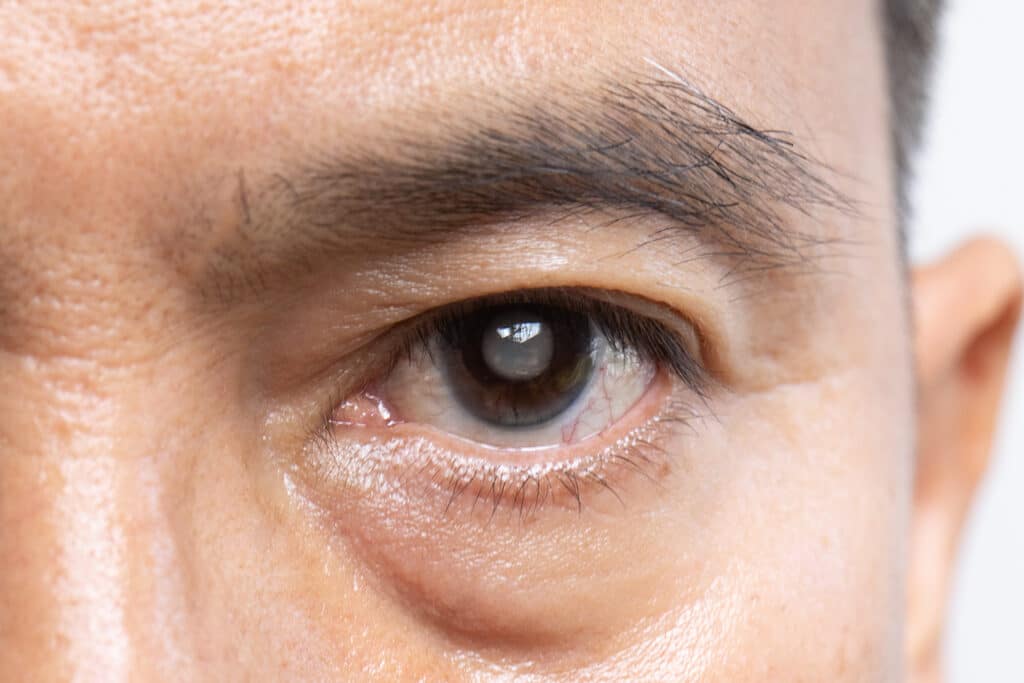
Cataract surgery is not considered painful by most patients. Thanks to modern technological advances and new treatments for cataracts, cataract eye surgery is generally quick and is considered to be one of the most successful surgeries today. While cataracts often affect both eyes, cataract surgery is performed one eye at a time. Cataract surgeries are typically scheduled a few weeks or more apart, on an outpatient basis. Cataract surgery in Iowa is scheduled at Wolfe Surgery Center in Des Moines or at a trusted Wolfe Eye Clinic partner hospital across the state of Iowa. Typically, you are awake during cataract surgery, however, patients are provided mild sedation under monitored anesthesia and given eye drops to numb the eye.
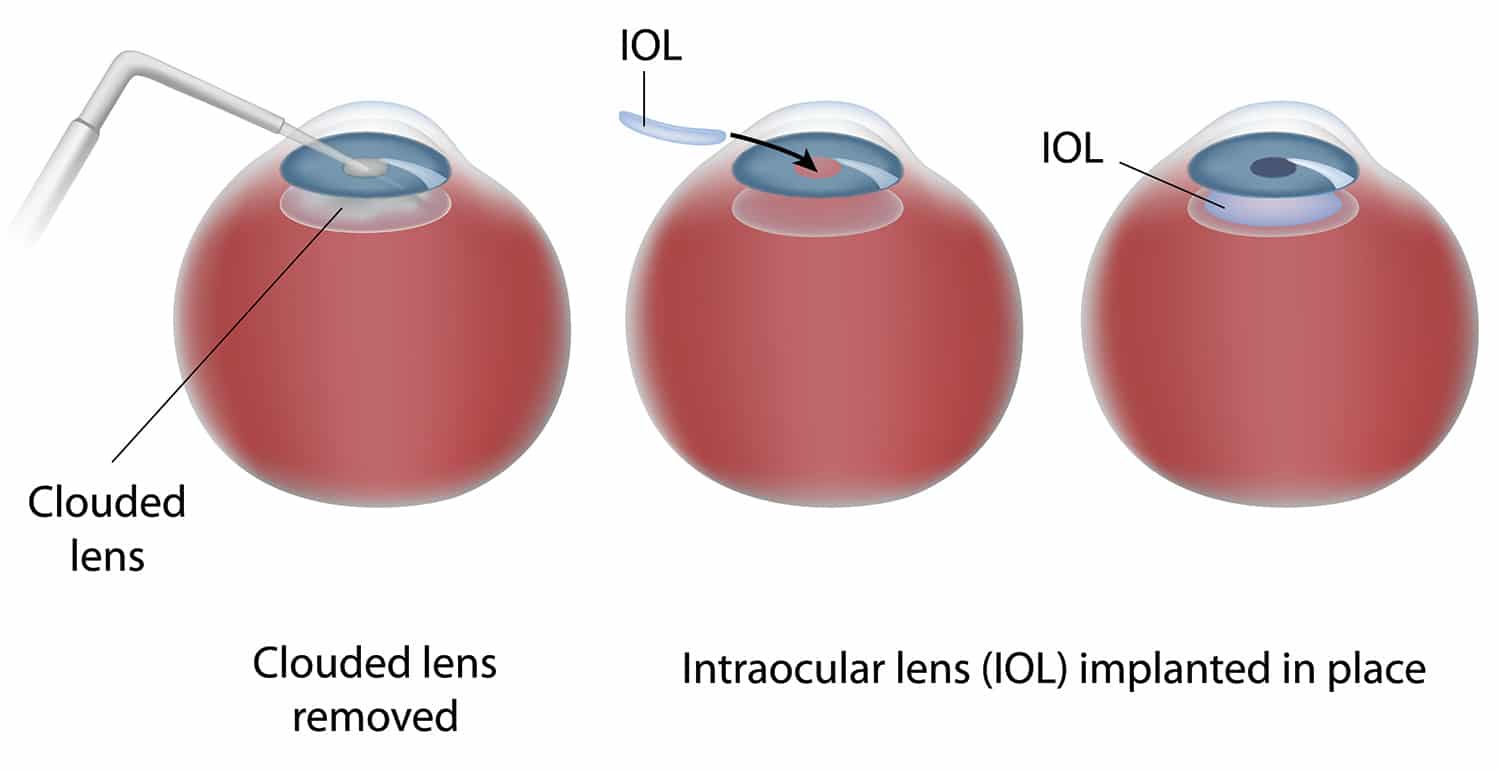
Phacoemulsification is the most common type of cataract surgery where your clouded natural lens is removed and replaced with an artificial plastic intraocular lens (IOL). Specifically, the clouded natural lens (cataract) is dissolved and gently vacuumed from the eye through a tiny incision that often heals on its own and does not require stitches. Occasionally, a laser is used to help create the incision and break up the cataract before removal. This is referred to as laser-assisted cataract surgery.
In 2002, Wolfe Eye Clinic introduced laser-assisted cataract surgery to Iowa and in 2012, our surgeons were the first in Iowa to perform laser-assisted refractive cataract surgery. Laser-assisted refractive cataract surgery adds computer and laser precision not only in breaking up the cataract before removal but reducing smaller amounts of astigmatism and fine-tuning vision. This may help in achieving better results with certain replacement lenses. Your Wolfe Eye Clinic cataract surgeon will discuss with you whether they believe laser cataract surgery is a better option for you.
Once your natural lens is removed, an artificial plastic intraocular lens (IOL) (i.e., replacement lens) is put in its place. There are many types of replacement lenses to choose from depending on your vision.
At your initial cataract evaluation, we examine your vision and perform advanced eye testing to determine your eligibility for cataract eye surgery and replacement lens options. You and your surgeon will discuss your vision goals and lifestyle preferences as well as your test results to help determine which is the best lens for your cataract surgery. It can be overwhelming, and our cataract specialists and their teams are here to help!
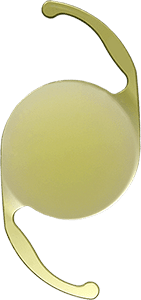

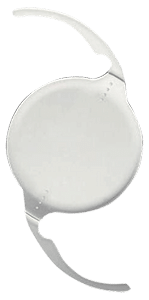
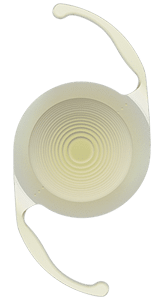

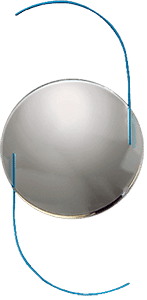
Another multifocal lens option, is the newest cutting-edge Light Adjustable Lens (LAL) technology. This technology allows more customization to your vision through light therapy ensuring you receive the best vision potential. The LAL implant changes shape and power through a response to ultraviolet (UV) light treatment following cataract surgery. Our skilled physicians at Wolfe Eye Clinic preform this treatment through an in office procedure utilizing a Light Delivery Device (LDD) at your post operative appointments. You may have up to three LDD treatments before you are comfortable with your overall vision outcome. By having the ability to adjust your vision to meet your lifestyle, this lens offers a wide array of possibilities to start your journey towards new and improved vision.
Some people are not eligible for all of the lenses because of other eye conditions. Eyes must be healthy in every other way for the multifocal lenses to function properly. It is important to speak with your cataract surgeon to ask questions about the lens you qualify for and your lifestyle and vision goals. Multifocal lenses and the Light Adjustable Lens are considered premium lenses and thus, are not typically covered by insurance. More information can be provided at your cataract evaluation. The cataract specialists at Wolfe Eye Clinic were the first in Iowa to place the Alcon PanOptix® Trifocal Intraocular Lens in 2019 and the new RxSight™ Light Adjustable Lens in 2024. Our physicians can guide you in discussion over which option is best for you!

Recovery from cataract surgery does not take long, typically. Most patients are back to their normal activities within a day or two such as watching TV and using a computer. Patients are able to return home the day of the procedure with the assistance of a driver. Depending on the replacement lens placed, you may need glasses for either distance or near vision following cataract surgery. As with any surgery, there are potential side effects including inflammation, changes in eye pressure and retina swelling as well as rare risks such as infection, bleeding, pain and loss of vision. Your cataract surgeon will have discussed with you what to expect and possible complications prior to surgery. Throughout the process, our staff is here for you along the way.
Cataract surgery is permanent, meaning a cataract will not grow back as the natural lens has been removed and replaced. In some cases, the tissue surrounding your new artificial replacement lens can thicken and become cloudy. This is referred to as posterior capsular opacification (PCO) or capsular fibrosis. While patients with other health issues such as diabetes may be at a higher risk, the condition is fairly common and clear vision can be quickly restored using a YAG laser during a follow-up appointment at Wolfe Eye Clinic. The process takes only moments and is painless.
The cost for cataract surgery depends on several factors. Generally, Medicare and most other health insurance providers cover the cost of cataract surgery, less the deductible amount or co-insurance required by your plan. This coverage includes the cost of a standard replacement lens called a monofocal lens. The monofocal lens provides one best focal point, either up-close or in the distance, but does not help with both or astigmatism, also known as an irregularly shaped cornea. If you have astigmatism, struggle with glare and night driving or want to reduce your need for glasses after cataract surgery, you may want to consider upgrading your cataract lens to a premium lens implant. Premium lenses are an out-of-pocket expense and are not covered by Medicare or health insurance. Typically, the standard lens cost is covered, and patients are asked to pay this additional amount. Your cataract surgeon team can help answer questions about the cost of lens options during your cataract evaluation appointment.
Choosing the best cataract surgeon is an easy decision with Wolfe Eye Clinic. Not only are our cataract surgeons well trained and experienced ophthalmologists that live in Iowa and care for Iowans daily, but they are also highly referred to by optometrists across the state. While not required, our strong referral relationships with these eye doctors allows your optometrist to easily refer you directly to a Wolfe Eye Clinic surgeon. Plus, you have the option to see your local optometrist following surgery, close to home, for post-operative care that is co-managed with your Wolfe Eye Clinic surgeon. We make all the arrangements; it’s really that easy!
For over 100 years, our surgeons have remained committed to staying at the forefront of advancements in technology and care. Wolfe Eye Clinic helped lead the way for cataract surgery in Iowa. Back in the 1930’s, we were instrumental in making cataract surgery safer and recovery time shorter and have since continuously offered new cataract treatment options and advanced replacement lenses for cataracts before many other providers in the state. Most recently, we were the first in Iowa to offer the RxSight™ Light Adjustable Lens in 2024, helping improve patients’ overall vision through custom light treatments.
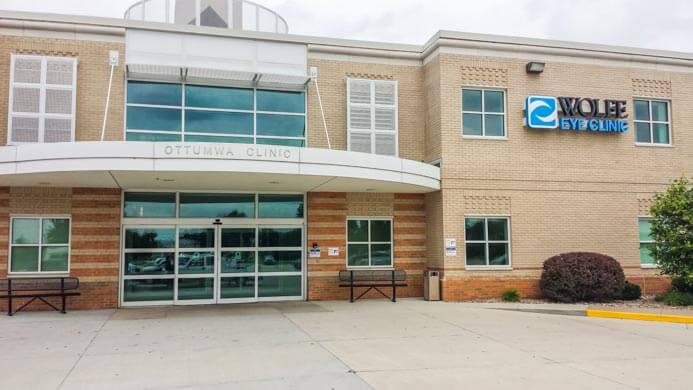
Having performed hundreds of thousands of cataract surgeries across Iowa, you can be sure your eyes are in the right hands at Wolfe Eye Clinic. Thank you for considering us and we look forward to helping you achieve Better Vision for a Better Life®. Our surgeons provide evaluations for cataracts across that state with locations in Ames, Ankeny, Carroll, Cedar Falls, Cedar Rapids (Hiawatha), Des Moines, Fort Dodge, Iowa City, Marshalltown, Ottumwa, Pleasant Hill, Spencer and Waterloo. To learn more or to schedule a cataract evaluation, call (833) 474-5850.
If you believe you or a loved one may have a cataract developing, the first step is setting up a cataract evaluation with one of our cataract specialists near you. Give us a call at (833) 474-5850 or speak with your local optometrist to get the process started.
The purpose of your cataract evaluation is to not only thoroughly examine your quality of vision and cataract development but also to establish a cataract treatment plan and select a cataract lens based on your lifestyle preferences and vision goals. You do not need a referral for cataract surgery or the initial cataract evaluation at Wolfe Eye Clinic. However, visiting your eye doctor (i.e., optometrist) regularly is the best way to detect cataracts early. Your optometrist can help you find a cataract surgeon by making a referral to a Wolfe Eye Clinic cataract specialist near you.
With more than 40 locations throughout Iowa, expert eye care is always close to home.
Whether you need a routine eye exam or advanced surgical care, our team is here to help you see your best.