
Skip to main menu Skip to main content Skip to footer

Conjunctivitis

What is conjunctivitis (pink eye)?

Conjunctivitis (pink eye) describes a group of diseases that cause inflammation of the conjunctiva resulting in discomfort and redness. The conjunctiva is a protective membrane that lines the under portion of the eyelid and covers exposed areas of the sclera, the outer white portion of the eye. The conjunctiva serves an important role in lubricating the ocular surface and defending the eye from allergens and infection. Tears containing proteins and antibodies protect the conjunctiva and allow it to properly function. 
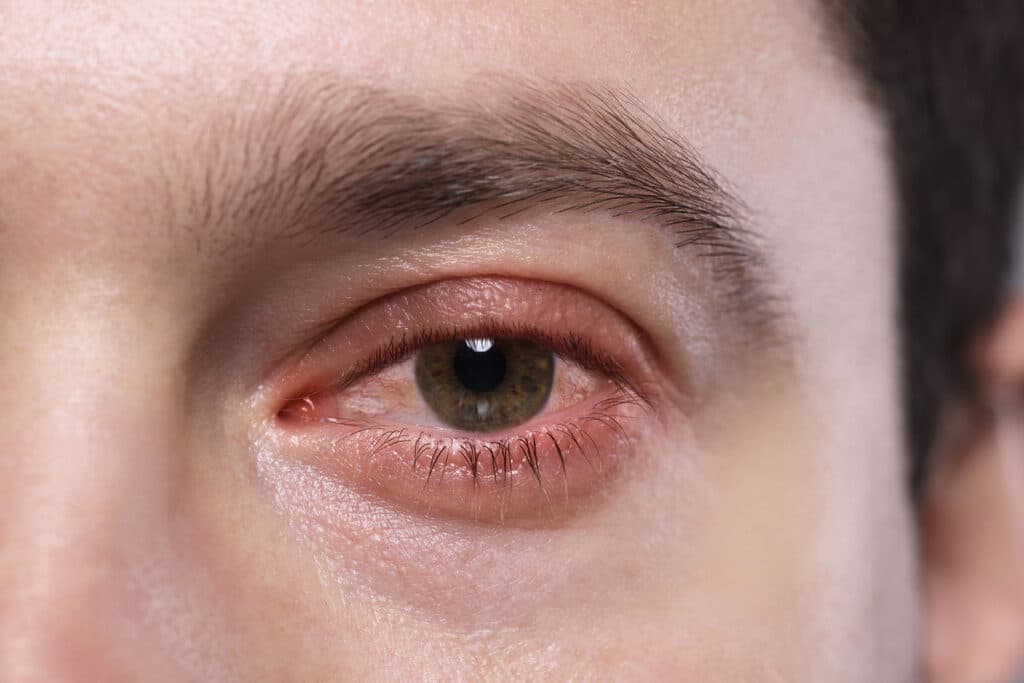
Causes & Symptoms of Conjunctivitis (Pink Eye)

Conjunctivitis is caused by bacteria, viruses, allergens, or other inflammatory conditions. While causes vary, symptoms may look similar for each form of conjunctivitis. Patients who have conjunctivitis are recommended to seek treatment from an eye doctor or a corneal specialist. Infectious conjunctivitis can be extremely contagious and may spread quickly. Allergic conjunctivitis presents mainly with symptoms of itchy eyes and are typically associated with an allergen such as pollen.

Symptoms of all conjunctivitis forms may affect the eye(s) in the following ways:

  • Swelling
  • Itching
  • Burning
  • Redness
  • Eye pain
  • Increased tearing
  • Sensitivity to light
  • Discharge or crusting of the eyelids

What do I do if I have pink eye?

Patients with symptoms of conjunctivitis should see an eye doctor. What to do next depends on the type of conjunctivitis you have, but generally treatment will depend on the specific cause of conjunctivitis. In general, if you think you may have conjunctivitis:

  • Don’t touch or rub the infected eye(s)
  • Wash your hands often with antibacterial soap or hand sanitizer
  • Avoid wearing makeup and never share makeup
  • Remove contact lenses
  • Use over-the-counter artificial tear eye drops to help relieve itching and burning— Avoid using eye drops that advertise the treatment of red eyes.
  • Protect your eyes from dirt or other irritating substances
  • Apply a clean, warm compress over the eye

Many cases of conjunctivitis will resolve without treatment. However, it is recommended that you seek medical attention from your primary care provider or eye doctor if you experience severe or persistent symptoms of conjunctivitis (pink eye) as some cases may result in significant pain and even loss of vision.

Types of Conjunctivitis

The corneal specialists at Wolfe Eye Clinic treat several types of conjunctivitis. Your treatment options often depend on the severity of your condition and its cause. 

Bacterial conjunctivitis is common and highly contagious, meaning it is easily spread through contact with an infected individual or a contaminated surface. Occasionally, bacterial conjunctivitis may develop as a result of a sinus or ear infection. Common symptoms include eye redness, pain and a thick eye discharge. Conjunctivitis caused by bacteria may be treated with antibiotics prescribed by a doctor in the form of eye drops, ointments, or pills. Treatment typically results in improvement of symptoms within one week. It is important to take precautions to avoid spreading the infection such as washing your hands and avoiding touching the eyes.

Viral conjunctivitis presents similarly to bacterial conjunctivitis but is often less severe. It is most often caused by the virus responsible for the common cold (adenovirus). Viral conjunctivitis may present with cold or other respiratory infection symptoms. Similar to most viral illness, viral conjunctivitis typically does not require treatment and resolves in five to ten days. Viral conjunctivitis may be highly contagious. It is important to practice excellent hand hygiene if you believe you have viral conjunctivitis.  

To prevent spreading viral or bacterial conjunctivitis from one person to another:

  • Wash your hands frequently with soap and water
  • Avoid sharing items such as hand towels and makeup
  • Wash away any discharge from your eyes several times a day using a fresh cotton ball
  • Always discard the cotton ball and wash your hands with soap and water afterward
  • Wash your bed linens, pillowcases and towels in hot water and detergent
  • Throw away used disposable contact lenses and wash all eyeware

Allergic conjunctivitis is caused by allergens that attract the body’s immune system. The allergen promotes histamine release which causes eye redness, itchiness, and tearing. Pollen and animal dander are two common causes of allergic conjunctivitis in addition to other allergens such as dust, mold and perfumes. Allergic conjunctivitis may be acute or chronic depending on the cause. Cool compresses and over-the-counter antihistamines may soothe allergic conjunctivitis symptoms. Other recommendations include the use of artificial tears and to avoid wearing contacts and eye rubbing.

Chemicals and other substances can immediately irritate the conjunctiva upon contact. Depending on the irritant, contact to the eye may cause immediate pain, burning and redness. It is important when your eyes are exposed to certain chemicals such as acid or alkaline material (e.g., bleach), you immediately flush the eyes with water for fifteen minutes and call a doctor. Any delay in treatment may worsen the condition and cause corneal scarring and loss of vision.

Eye Care Across Iowa

With more than 40 locations throughout Iowa, expert eye care is always close to home.

Whether you need a routine eye exam or advanced surgical care, our team is here to help you see your best.


find a location
Main Offices
2020 Philadelphia Street
Ames, IA 50010
(515) 232-2450
Mon -Fri | 8:00 AM - 5:00 PM
Sat-Sun | Closed
800 East 1st Street, Suite 2500
Ankeny, IA 50021
(515) 676-7014
Mon -Fri | 8:00 AM - 5:00 PM
Sat-Sun | Closed
405 South Clark Street, Suite 220
Carroll, IA 51401
(712) 792-8255
Mon -Thur | 8:00 AM - 4:30 PM | Fri - 8:00 AM - 1:00 PM
Sat-Sun | Closed
South Division Street, Suite 120B
Cedar Falls, IA 50613
(319) 277-0103
Mon -Fri | 8:00 AM - 5:00 PM
Sat-Sun | Closed
1195 Boyson Road, Suite 200
Hiawatha, IA 52233
(319) 362-8032
Mon -Fri | 8:00 AM - 5:00 PM
Sat-Sun | Closed
6200 Westown Parkway
West Des Moines, IA 50266
(515) 223-8685
Mon -Fri | 8:00 AM - 5:00 PM
Sat-Sun | Closed
804 Kenyon Road, Suite 100
Fort Dodge, IA 50501
(515) 576-7777
Mon -Fri | 8:00 AM - 5:00 PM
Sat-Sun | Closed
2225 Mormon Trek Boulevard, Suite 100
Iowa City, IA 52246
(319) 337-5770
Mon -Fri | 8:00 AM - 5:00 PM
Sat-Sun | Closed
309 East Church Street
Marshalltown, IA 50158
(319) 337-5770
Mon -Fri | 8:00 AM - 5:00 PM
Sat-Sun | Closed
1005 Pennsylvania Avenue, Suite 110,
Ottumwa, IA 52501
(641) 682-8571
Mon -Fri | 8:00 AM - 5:00 PM
Sat-Sun | Closed
5900 East University Avenue, Suite 202
Pleasant Hill, IA 50327
(515) 262-3988
Mon -Fri | 8:00 AM - 5:00 PM
Sat-Sun | Closed
2004 Hwy Boulevard
Spencer, IA 51301
(712) 262-2379
Mon -Fri | 8:00 AM - 5:00 PM
Sat-Sun | Closed
999 Home Plaza,Suite 101
Waterloo, IA 50701
(319) 287-5890
Mon -Fri | 8:00 AM - 5:00 PM
Sat-Sun | Closed
Family Vision Centers
219 N Main Street
Clarion, IA 50525
(515) 532-3630
Mon -Thur | 8:00 AM - 5:00 PM
Fri-Sun | Closed
509 G Avenue
Grundy Center, IA 50638
(319) 824-6380
Mon -Thur | 8:00 AM - 5:00 PM
Fri-Sun | Closed
10 Taft Street S
Humboldt, IA 50548
(515) 332-2950
Mon -Thur | 8:00 AM - 5:00 PM
Fri-Sun | Closed
619 Broad Street
Story City, IA 50248
(515) 733-6900
Mon, Wed, Thur | 8AM- 1PM & 2PM - 5PM
Tue | 9AM - 1PM & 2PM - 6PM Fri | 8AM - 1PM
2020 3rd Avenue North West
Waverly , IA 50677
(319) 352-3490
Mon-Thur | 7:30AM- 5:00PM
Fri | 7:30AM - 4:30PM | Sat - Sun | Closed
1620 Superior Street #3
Webster City, IA 50595
(515) 832-2401
Mon-Fri | 8:00AM- 5:00PM / Wed | 8:00AM - 7:00PM
Sat by appointment / Sun | Closed

See the Difference Experience Makes

When it comes to your vision, experience matters.

At Wolfe Eye Clinic, our mission has remained the same for more than a century:
helping patients achieve

Better Vision for a Better Life.